
Embedding Make Ready as a strategic enabler
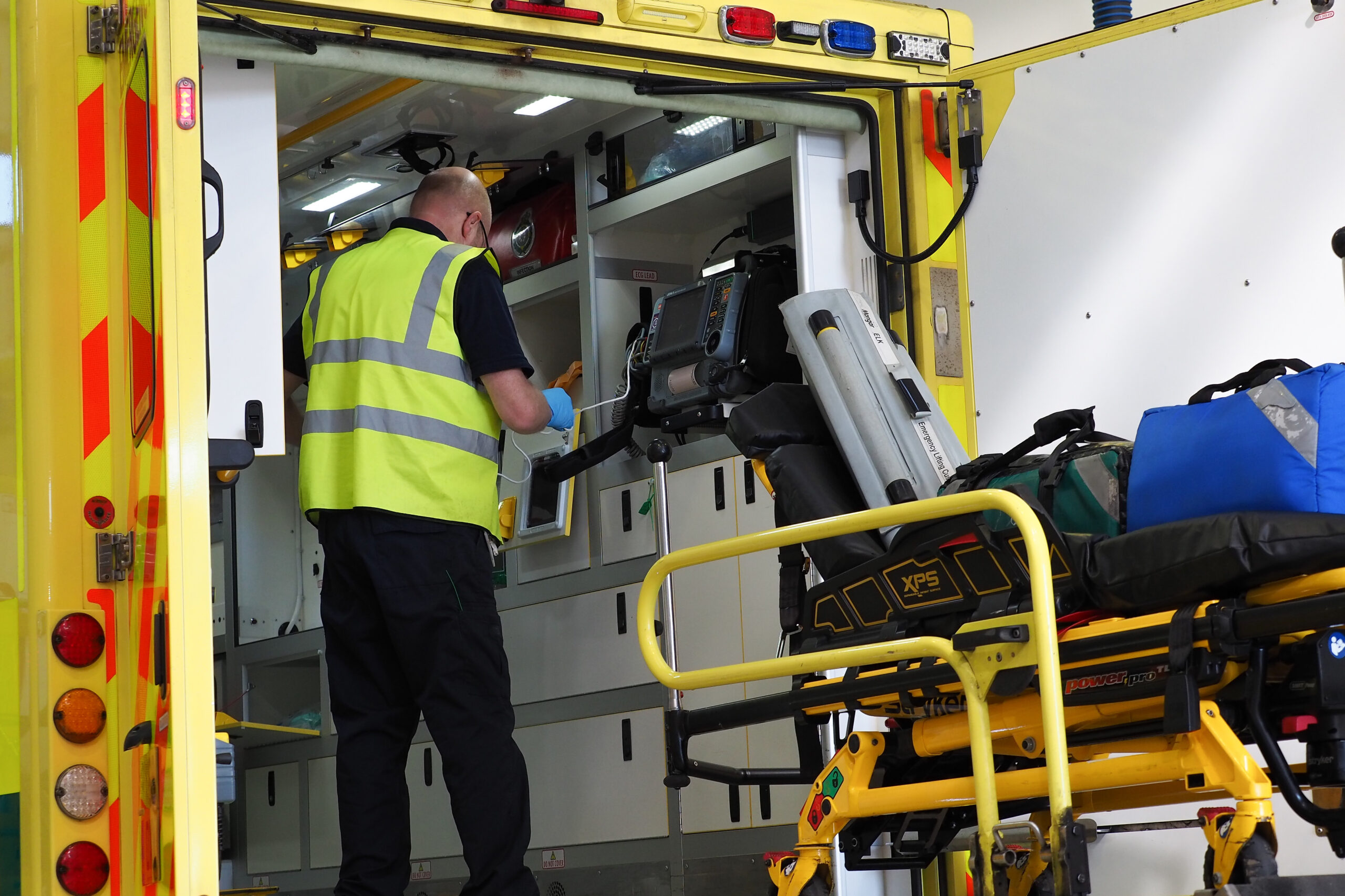
Make Ready is the process of preparing ambulances and other emergency vehicles to ensure they are safe, fully stocked, clean, and fit for service. This includes routine vehicle checks, deep cleaning, replenishment of medical equipment and consumables, and fuelling. These tasks were traditionally carried out by clinical staff until Make Ready was introduced more than a decade ago at SCAS.
Make Ready centralises and standardises these tasks to free up paramedics to focus on patient care, reduce the risk of equipment failure or infection, and help to ensure that every vehicle deployed is ready to respond to emergencies without delay.
The process might be invisible to patients, but the impact of Make Ready is felt in every safe, stocked and ready-to-roll ambulance. At South Central Ambulance Service NHS Foundation Trust (SCAS), Make Ready is no longer viewed as a support service. It’s a critical operational function, enabling clinical teams to deliver frontline care without compromise.
SCAS operates across a vast and varied geography, from the dense urban centres of Oxford, Reading and Southampton to the rural stretches of Oxfordshire and Buckinghamshire. The trust manages a transient fleet, with vehicles rotating between stations depending on need. This complexity demands consistency – every vehicle must be fully prepared and compliant, regardless of where it is deployed.
A consistent and centralised model
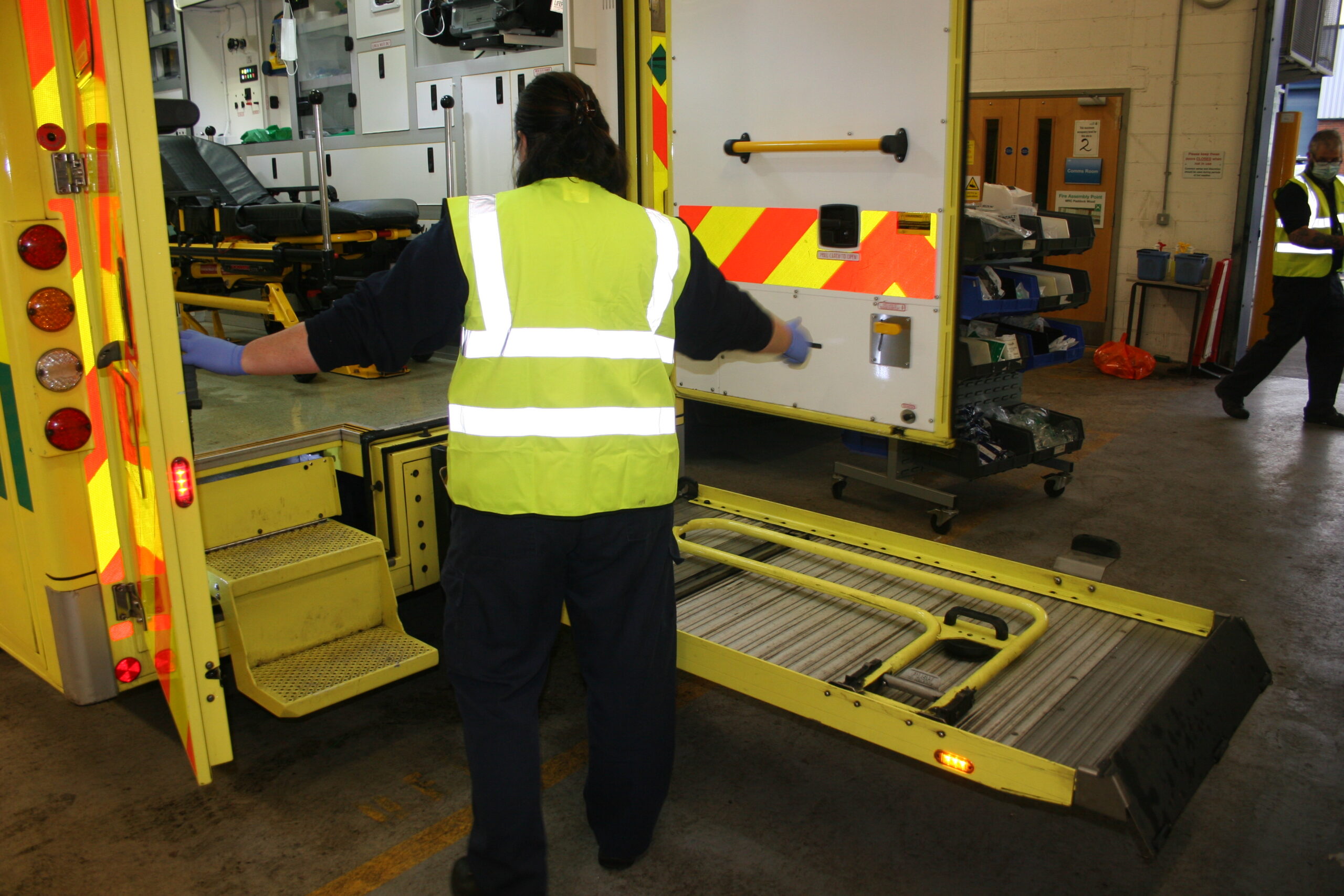
The Make Ready process at SCAS is built around standardisation and predictability. Vehicles are cleaned, stocked and checked daily, with deep cleans scheduled every 12 weeks and additional cleans triggered by infection prevention protocols. These services are centrally coordinated and delivered by Churchill, with our teams embedded into the SCAS structure and regarded as operational partners.
Rather than a traditional client-supplier model, the relationship is defined by shared responsibility and integrated governance.
Weekly check-ins and monthly performance reviews ensure our teams are aligned with SCAS objectives. Station-level audits, jointly conducted by SCAS and Churchill, provide a granular view of compliance and quality with actionable insights.
The operational impact of this approach is clear. The trust has seen improved vehicle turnaround times, greater consistency in Infection Prevention and Control (IPC) compliance, and a notable reduction in delays linked to vehicle readiness. Clinicians arrive to find vehicles fully prepped, enabling faster mobilisation and uninterrupted patient care.
Overcoming estate constraints
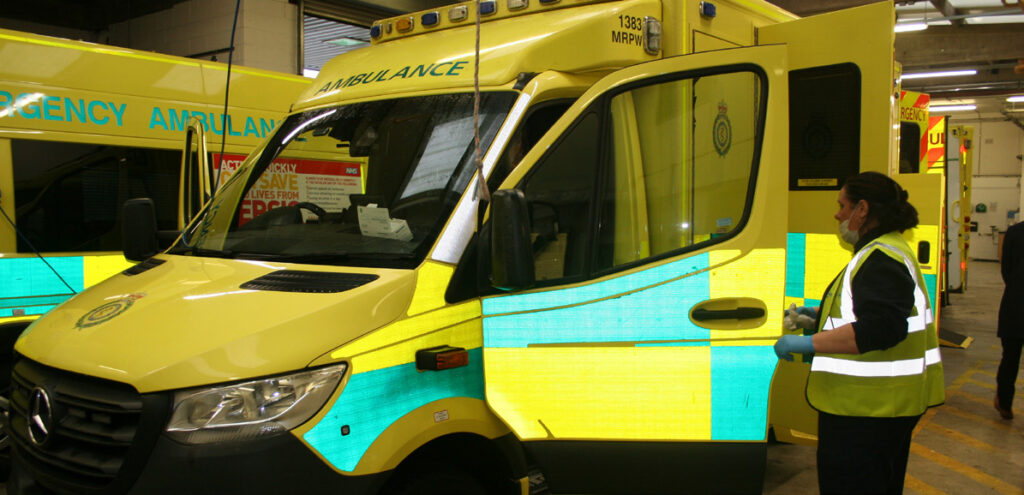
Like many ambulance trusts, SCAS operates from an estate that was not designed with modern Make Ready practices in mind. Fuel stations, vehicle wash bays and stockrooms are often located separately, making the flow of vehicles inefficient and labour-intensive. Without purpose-built infrastructure, the trust has had to innovate within physical limitations by adapting workflows and resource models to suit the spaces available.
This experience is shaping SCAS’s approach to future estates. New site designs are being developed in consultation with Make Ready teams to ensure facilities can support a high-performance, pit-stop-style operation. Vehicle flow, access, and storage are no longer secondary considerations; they are central to operational planning.
Strategic deployment, not visibility for visibility’s sake
A common challenge in support services is the belief that visibility equals value; the idea that if teams aren’t seen, they’re not working. SCAS has flipped this narrative. Make Ready activity is concentrated during overnight shifts, when more vehicles are available and demand is lower. This ensures staff can work efficiently without delaying crews or disrupting frontline operations.
By planning resource deployment around need rather than perception, Churchill has created a Make Ready model that delivers value quietly and effectively – exactly as it should.
Investing in data-led transformation
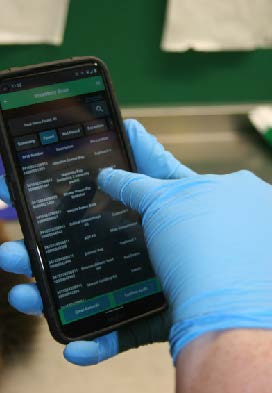
Looking ahead, SCAS is exploring the potential of digital tools to elevate its Make Ready service further. While Churchill and SCAS each operate effective asset and stock systems, integrating these platforms is the next frontier. The trust is also interested in technologies such as RFID for real-time stock tracking and AI to predict seasonal usage trends and optimise replenishment cycles.
The ambition is clear: a fully connected, data-led Make Ready environment that can adapt to operational pressures, reduce waste, and support long-term efficiency.
Building a national case for Make Ready
SCAS’s experience highlights the value of embedding Make Ready into strategic planning, from estates and digital infrastructure to workforce resourcing and quality governance.
The trust’s model provides a compelling example of how ambulance services can move beyond reactive logistics to create proactive, efficient, and patient-focused operational support.
Lemuel Freezer, Director of Fleet and Operational Support Services, South Central Ambulance Service
“For me, Make Ready is one of the most important parts of running a safe and responsive ambulance service, but it’s often overlooked because when it’s done well, you don’t see it. It’s not just about cleaning or restocking; it’s about making sure our clinicians can focus entirely on patient care, knowing their vehicles are fully prepared. We’ve worked hard to embed Make Ready into our operational strategy, our estate plans, and increasingly into our digital systems. It’s not a bolt-on service – it’s fundamental to delivering safe, efficient care at scale.”