
A pioneer in Make Ready efficiency
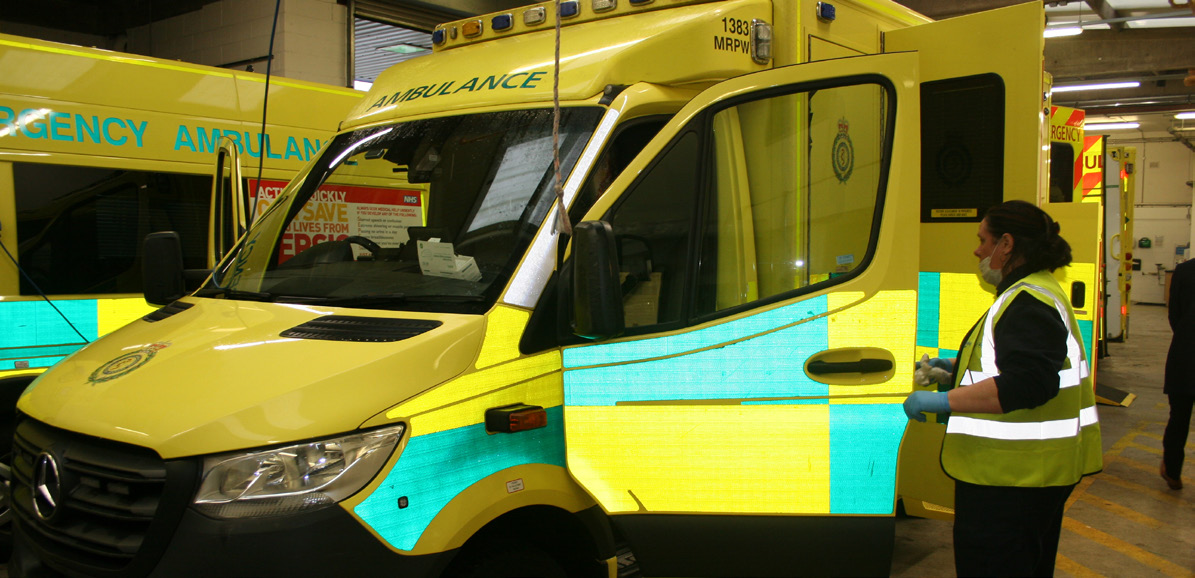
Make Ready is the process of preparing ambulances and emergency vehicles to ensure they are clean, fully stocked, safely fuelled and ready for service. By centralising and standardising these tasks, which are traditionally carried out by clinical staff, Make Ready improves patient safety, reduces lost unit hours, and enables paramedics to focus entirely on frontline care.
A nationally recognised model
South East Coast Ambulance Service (SECAmb) NHS Foundation Trust was the first NHS ambulance Trust in the UK to introduce a Make Ready model in 2007. Since then, it has continued to refine and evolve the approach, operating 10 central Make Ready centres and eight vehicle preparation points (VPPs) across Kent, Surrey and Sussex. These services are delivered in partnership with Churchill, with our teams embedded across the SECAmb estate.
SECAmb also appointed a dedicated Head of Make Ready, an uncommon role in the sector, which has strengthened governance and provided clear operational leadership. On the delivery side, Churchill responded by appointing a national Make Ready Director, replacing a generic contract manager and significantly improving service consistency and accountability.
A model shaped by changing demands
SECAmb delivers a structured programme of full and mini Make Ready cycles. Historically, every vehicle underwent a full Make Ready after every shift, but job cycle times have increased over time. Crews now attend fewer jobs per shift, often spending longer with patients or handling complex referrals.
In response, SECAmb introduced a hybrid model, where each vehicle receives a full Make Ready after every other shift with minipreps in between. Churchill worked closely with the Trust to redesign workflows, retrain staff, and reconfigure shift planning around this model, without compromising consistency, quality or compliance.
Driving collaboration and commercial efficiency
The relationship between SECAmb and Churchill is built on collaboration and transparency. A revised input-based contract ensures the Trust pays only for the hours of Make Ready service delivered, rather than a fixed lump sum. This model allows for greater flexibility and reflects the realities of workforce availability, particularly during periods of high absence or service disruption.
Make Ready is embedded into daily operational decision-making, with site-level dashboards tracking shift starts, vehicle throughput, and operative hours required. These insights are reviewed weekly to maintain alignment with demand and drive improvements across the estate.
Raising standards in safety and consistency
Before Make Ready was introduced, paramedics would begin their shifts without certainty that a vehicle was available, cleaned, fuelled, or properly stocked. Lost unit hours were common. Stock layouts varied between vehicles and sites. Infection control was inconsistent. All of this had a negative impact on patient safety, clinician morale, and service performance.
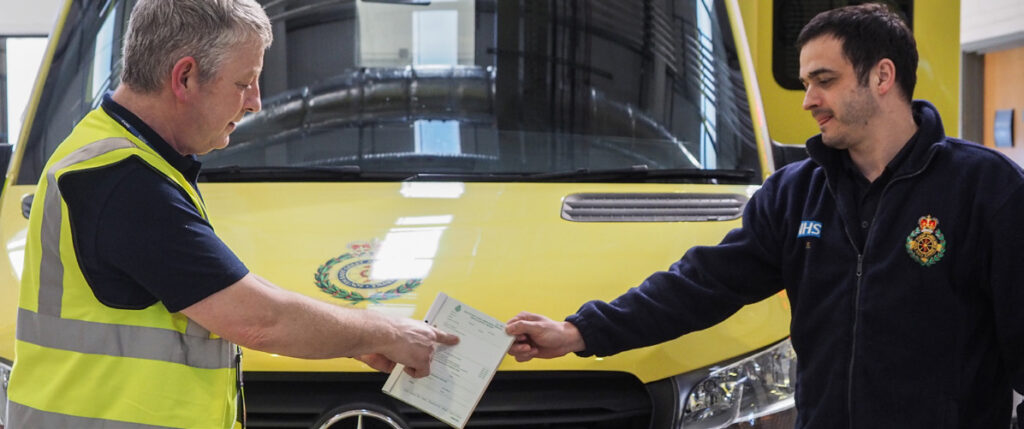
Today, the process is standardised across the fleet. Each ambulance is externally washed, internally sanitised, restocked using a consistent inventory layout, function-checked, and fuelled before being placed on the Make Ready bay. Vehicle layout is identical across the estate, and minor faults are addressed before the vehicle is dispatched, reducing downtime and the risk of failure on the road.
The result is a seamless start to each shift. Paramedics collect a prechecked medicines bag, pick up keys, and leave knowing the vehicle is safe and fully prepared. The impact on efficiency and confidence among frontline staff has been significant.
Data-led improvement and future estate planning
Make Ready output data is used for operational performance monitoring and to inform long-term fleet planning and staff deployment. This allows SECAmb to anticipate resource needs across its patch and shape services around peaks and patterns in demand.
Plans are also underway to build a new Make Ready centre in Guildford, addressing a current estate gap. Learnings from other sites will be embedded into its design, ensuring vehicle flow, storage, access and staffing models are optimised from day one.
Digital integration and national influence
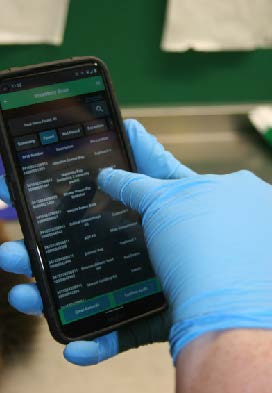
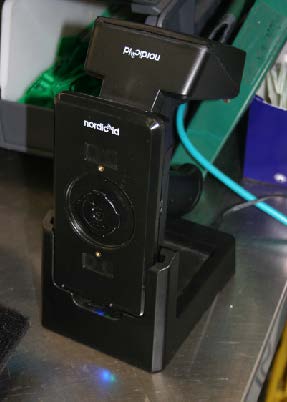
SECAmb uses Churchill’s Mo:dus platform to track Make Ready tasks and vehicle preparation activity. Internally, the Trust is integrating this data into its business intelligence dashboards, providing real-time visibility of operational status. There is growing interest in the use of RFID and AI to support predictive stocking, activity forecasting, and improved auditability.
SECAmb is also leading sector-wide learning. Paul Mabberley, Head of Make Ready, has delivered webinars on behalf of NHS England to support other ambulance Trusts reviewing their own models post-Covid. Many, he notes, are now seeking to replicate SECAmb’s maturity in governance, consistency and efficiency.
SECAmb’s experience shows how Make Ready, when embedded into estate planning, digital systems, and operational leadership, can unlock significant gains in efficiency, patient safety and clinical confidence, setting a benchmark for the sector.
Paul Mabberley, Head of Make Ready, South East Coast Ambulance Service
“Before Make Ready, paramedics would turn up not knowing if they even had a vehicle, or whether it had the right kit on board. That uncertainty impacted safety, efficiency and morale. Now, thanks to Make Ready, we’ve standardised everything – vehicles, stock, layout, even how issues are reported. We’re not just cleaning ambulances; we’re enabling patient care.”